What We Have Observed So Far
The Next Phase of the Research
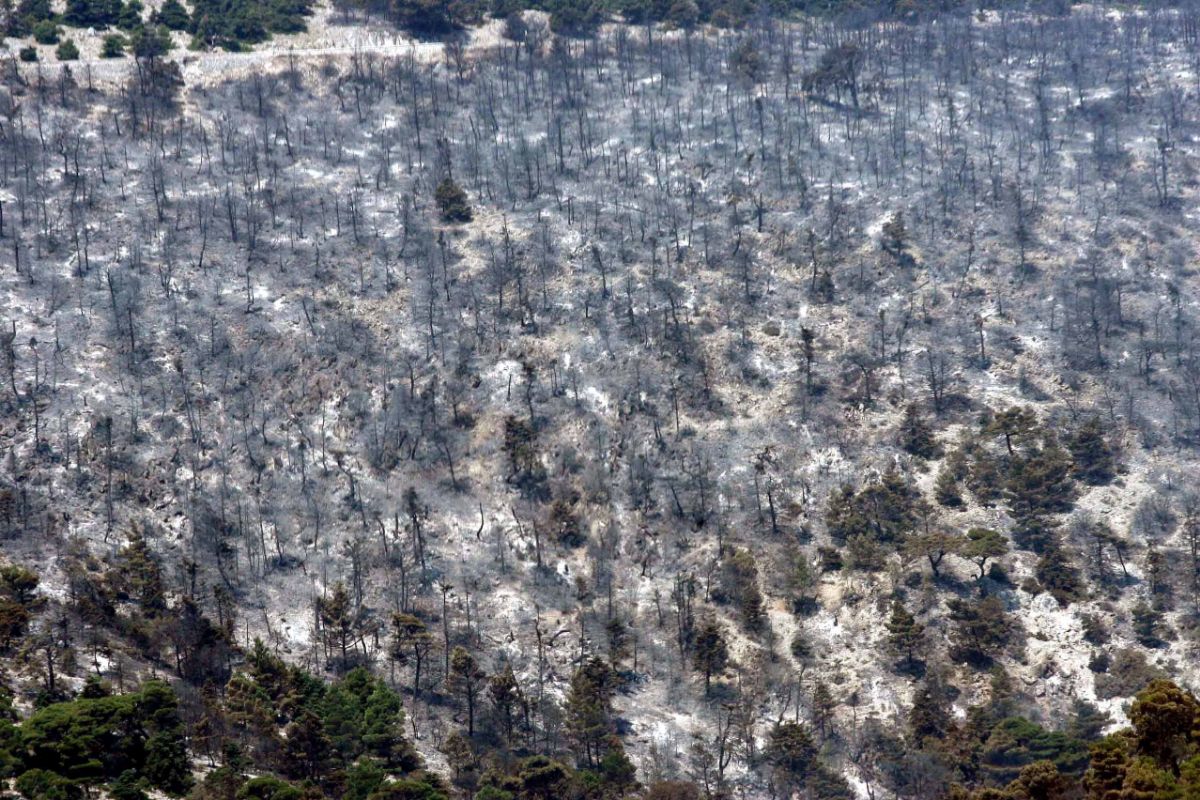
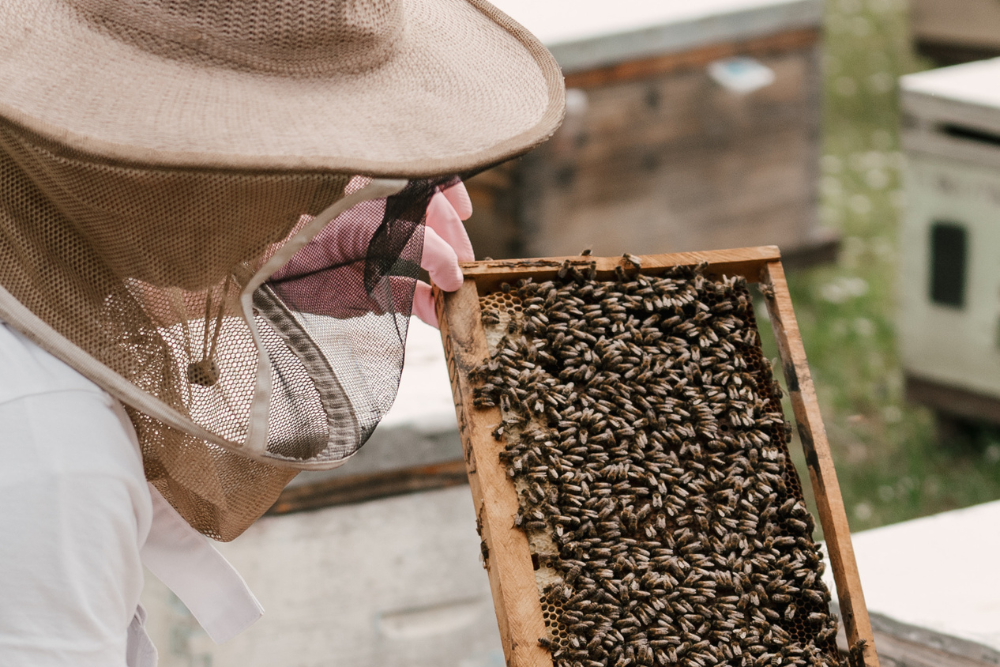
During the first phase of the project, which lasted two years, managed honeybee colonies were strategically introduced into selected areas undergoing post-fire ecological regeneration.
The results obtained so far indicate:
- an increase in insect biodiversity indices within the intervention areas
- signs of enhanced ecological activity
- measurable differences compared to reference areas without intervention
These findings provide the foundation for the next phase of the research.
In the next stage, the research focuses on four main areas:
- the impact on vegetation growth and ground cover
- changes in the diversity and composition of plant species
- changes in the diversity and composition of insect populations
- interactions with wild pollinators
The study is conducted using controlled densities of honeybee colonies in order to maintain a balance between ecological intervention and the natural dynamics of the ecosystem.
Why it matters
Beekeeping is an important activity with multiple ecological and productive dimensions. Understanding its role within natural ecosystems, particularly under restoration conditions, is essential.
The project aims to contribute to:
- the expansion of scientific knowledge
- the development of practices that take into account the specific characteristics of each ecosystem
- the formulation of approaches that can also be applied in other Mediterranean regions












Approach
The project methodology includes:
comparative analysis of areas with and without the presence of managed honeybee colonies
systematic recording and monitoring of insect populations and vegetation
use of biodiversity indicators to assess ecosystem recovery and ecological balance
long-term monitoring of ecological developments and ecosystem dynamics
Όλο το πρόγραμμα θα επιτηρείται από το Γεωπονικό Πανεπιστήμιο Αθηνών το οποίο θα πραγματοποιεί επαναληπτικές δειγματοληπτικές εργασίες, για την εκτίμηση της πορείας του προγράμματος.
A Balanced Framework
The Parnitha BEEyond Project approaches beekeeping as an activity that can be meaningfully integrated into ecological restoration efforts when carefully designed and responsibly implemented.
The project seeks to highlight a balanced role for beekeeping that:
- supports ecological restoration
- coexists with natural biodiversity
- evolves through continuous observation and scientific knowledge
The Contractors

TÜV AUSTRIA Hellas is a group of holistic services encompassing certification, education, technical and industrial inspections, certification of professional qualifications, regulatory compliance of organizations, laboratory analysis and testing, and technological solutions for digital education. It has been operating in Greece since 1994, with a vision and priority to effectively implement Quality as an integral tool of business and work processes, placing people, safety, environment, and society at the center.
It has a presence and significant partnerships in 15 countries and 4 branches in Northern Greece, the Aegean, and Crete. The group employs 251 staff members and 200 external collaborators throughout Greece. In recent years, it has undertaken three significant acquisitions: ACTA – the Technology Transfer Office of the Aristotle University of Thessaloniki, Food Allergens Labs, and CCS, enriching its strong portfolio. TÜV AUSTRIA Hellas’ main priority is to deliver added value through its services for businesses, professionals, society, and the economy of Greece, always with integrity and independence.

A leader in sustainability and sustainable tourism, the Sani/Ikos Group has received numerous international awards and certifications for its ESG initiatives aimed at enhancing its positive impact on the environment, on local communities, and ecosystems. The Group has also received significant distinctions for its corporate governance practices and is a member of the United Nations Global Compact, a voluntary initiative for businesses.
All Sani/Ikos Group hotels are carbon-neutral, sourcing 100% renewable electricity with guarantees of origin, while implementing advanced technologies for energy, water, and waste management. The Group consistently partners with scientific institutes, experts and NGOs to protect local wetlands, sea, forest, and wildlife around its hotels.
Executing Body

Under the auspice